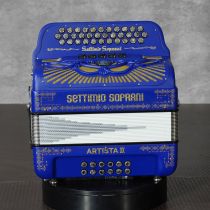
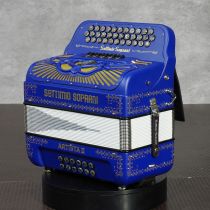
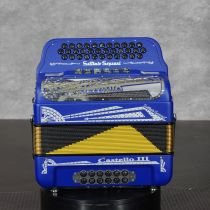
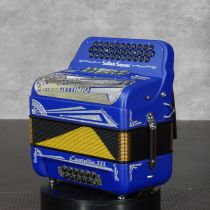
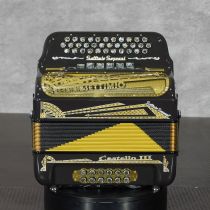
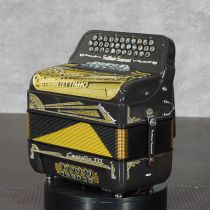
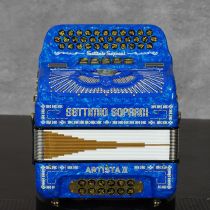
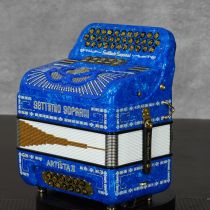
A heritage page dedicated to the history of Settimio Soprani, tracing the family roots, industrial rise, global reach, and enduring prestige of one of the most storied names in accordion making.Una página patrimonial dedicada a la historia de Settimio Soprani, que recorre las raíces familiares, el crecimiento industrial, el alcance internacional y el prestigio duradero de uno de los nombres más emblemáticos en la fabricación de acordeones.
From the Soprani family workshops near the Musone River to worldwide recognition through Castelfidardo’s golden age, this narrative presents the brand as a symbol of craftsmanship, innovation, and lasting musical authority.Desde los talleres de la familia Soprani cerca del río Musone hasta el reconocimiento mundial durante la época dorada de Castelfidardo, esta narrativa presenta la marca como un símbolo de artesanía, innovación y autoridad musical duradera.
Historic Settimio Soprani factory imagery from the official Maxim’s Group archive.Imagen histórica de la fábrica Settimio Soprani procedente del archivo oficial de Maxim’s Group.
Origins of a legendary nameOrígenes de un nombre legendario
From family craft to independent workshopDel oficio familiar al taller independiente
Toward the end of the eighteenth century, the Soprani family lived and worked near the border of Recanati and Castelfidardo. From that family nucleus, a nearly unknown activity rapidly expanded across the region and then throughout Italy: the construction of organetti.Hacia finales del siglo XVIII, la familia Soprani vivía y trabajaba cerca de la frontera entre Recanati y Castelfidardo. Desde ese núcleo familiar, una actividad casi desconocida se expandió rápidamente por la región y luego por toda Italia: la construcción de organetti.
Paolo Soprani established a small workshop in 1863 with the help of his brothers Nicola, Pasquale, and Settimio. As demand grew, the collaboration between the brothers soon gave way to independent production. At age twenty-five, Settimio opened his own bottega on Via Cavour in Castelfidardo in 1885.Paolo Soprani estableció un pequeño taller en 1863 con la ayuda de sus hermanos Nicola, Pasquale y Settimio. A medida que crecía la demanda, la colaboración entre los hermanos dio paso a la producción independiente. A los veinticinco años, Settimio abrió su propia bottega en la Via Cavour de Castelfidardo en 1885.
Castelfidardo becomes the accordion capitalCastelfidardo se convierte en la capital del acordeón
The official narrative describes the late nineteenth and early twentieth centuries as the true takeoff of the harmonica and accordion industry. Production increased, the workforce expanded, and the name of Castelfidardo’s accordion crossed the ocean through artisans and emigrants, especially to North America.La narrativa oficial describe finales del siglo XIX y comienzos del XX como el verdadero despegue de la industria de la armónica y el acordeón. La producción aumentó, la fuerza laboral se expandió y el nombre del acordeón de Castelfidardo cruzó el océano de la mano de artesanos y emigrantes, especialmente hacia Norteamérica.
Today, Castelfidardo is still recognized as the homeland of the accordion, and Settimio Soprani remains inseparable from that identity.Hoy en día, Castelfidardo sigue siendo reconocida como la cuna del acordeón, y Settimio Soprani permanece inseparable de esa identidad.
Built in Castelfidardo, carried across the world, remembered as a mark of Italian accordion excellence.Construido en Castelfidardo, llevado por el mundo y recordado como emblema de la excelencia italiana en acordeones.
HeritageHerencia
Settimio Soprani LegacyLegado Settimio Soprani
Archival imageryImágenes de archivo
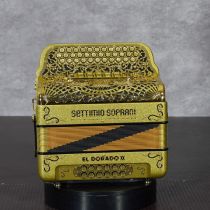
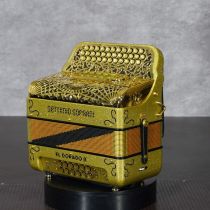
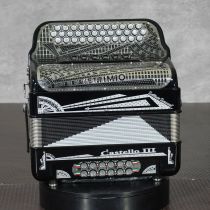
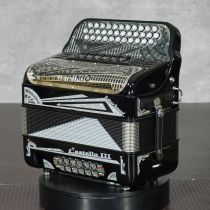
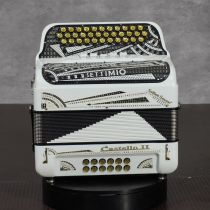
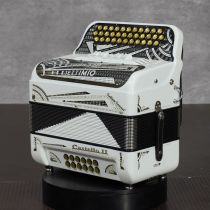
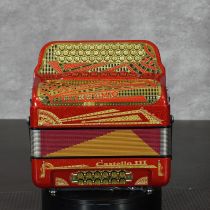
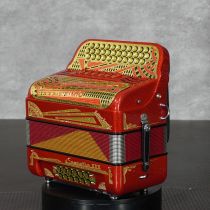
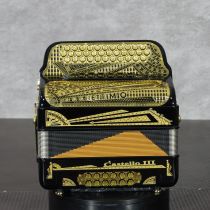
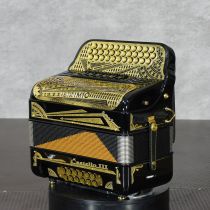
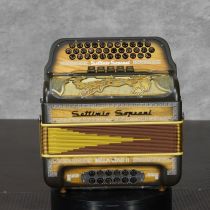
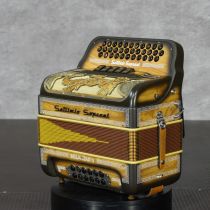
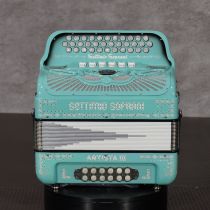
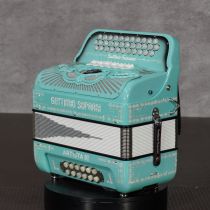
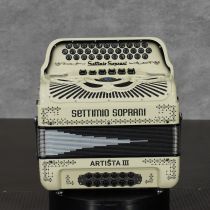
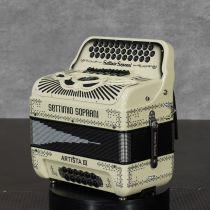
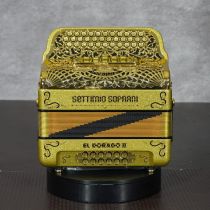
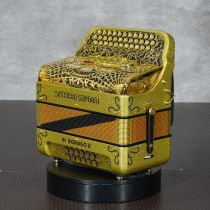
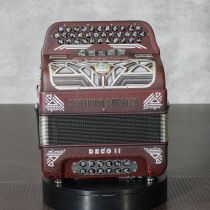
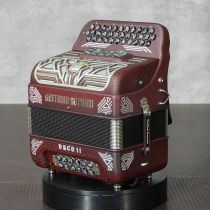
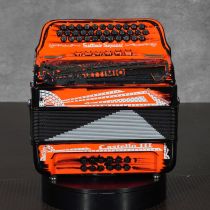
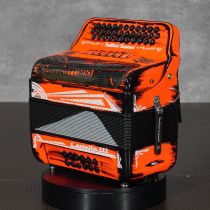
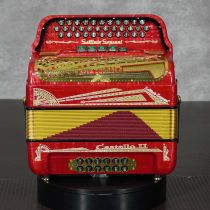
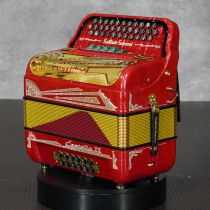
Vintage promotional artwork reflecting the brand’s classic visual identity.Material promocional de época que refleja la identidad visual clásica de la marca.A second archival poster with elegant period styling.Un segundo cartel de archivo con un elegante estilo de época.Castelfidardo, the city officially described as the homeland of the accordion.Castelfidardo, la ciudad descrita oficialmente como la cuna del acordeón.A modern Settimio Soprani accordion image connecting heritage with current craftsmanship.Una imagen moderna de acordeón Settimio Soprani que conecta el legado con la artesanía actual.Historic factory architecture reflecting the brand’s industrial and cultural significance.Arquitectura histórica de fábrica que refleja la importancia industrial y cultural de la marca.